OEM/ODM Religious Statues China

1) What “OEM religious statues china” and “ODM religious statues china” usually mean
Buyers searching oem religious statues china typically already have a concept, reference photos, or a target model they want produced under their brand or channel. Buyers searching odm religious statues china often want a factory to propose designs from its own library, then adjust details, branding, and packaging to fit a market.
Because “OEM” and “ODM” are used loosely online, the safest move is to treat both as a structured workflow with written checkpoints.
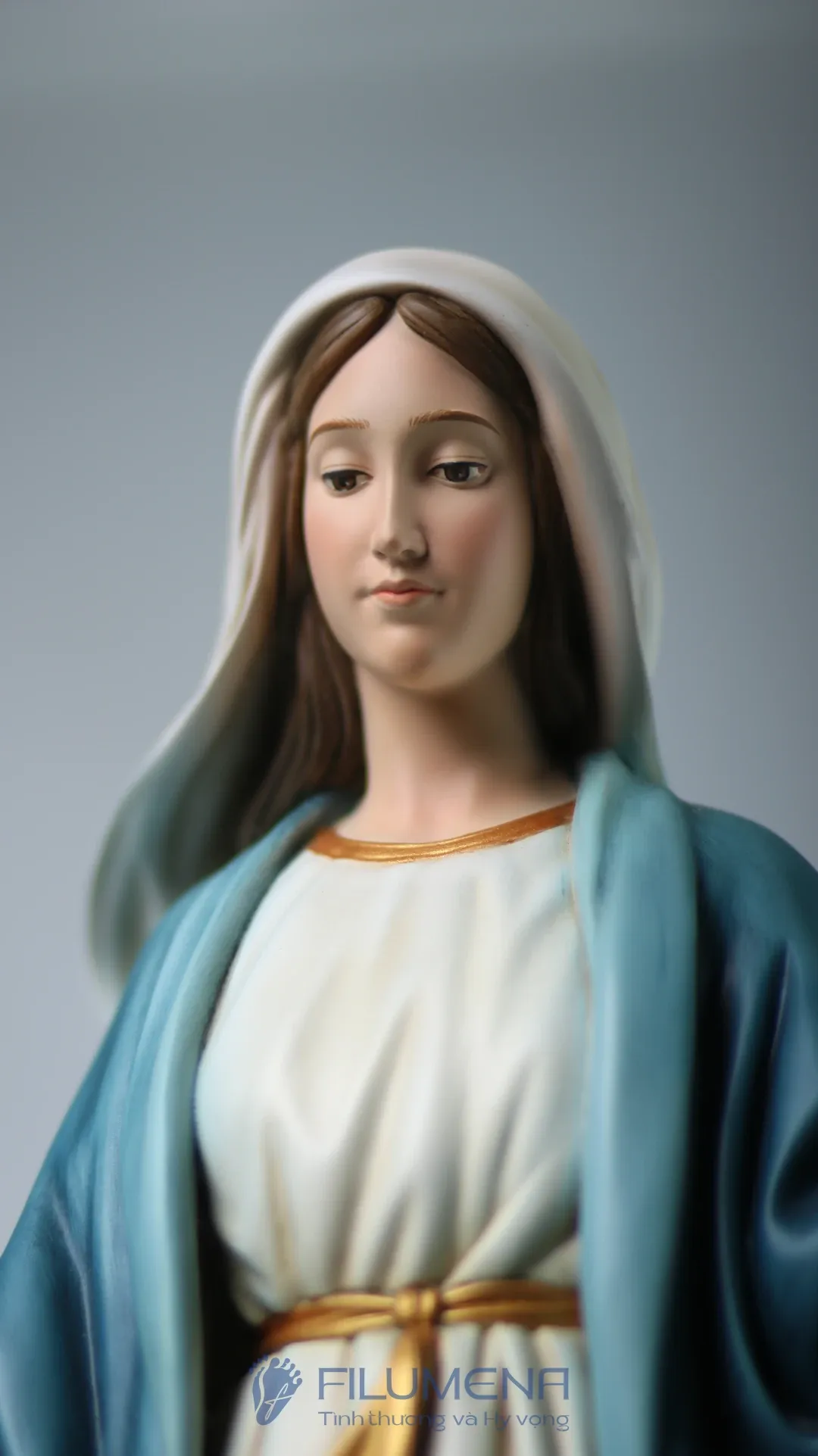
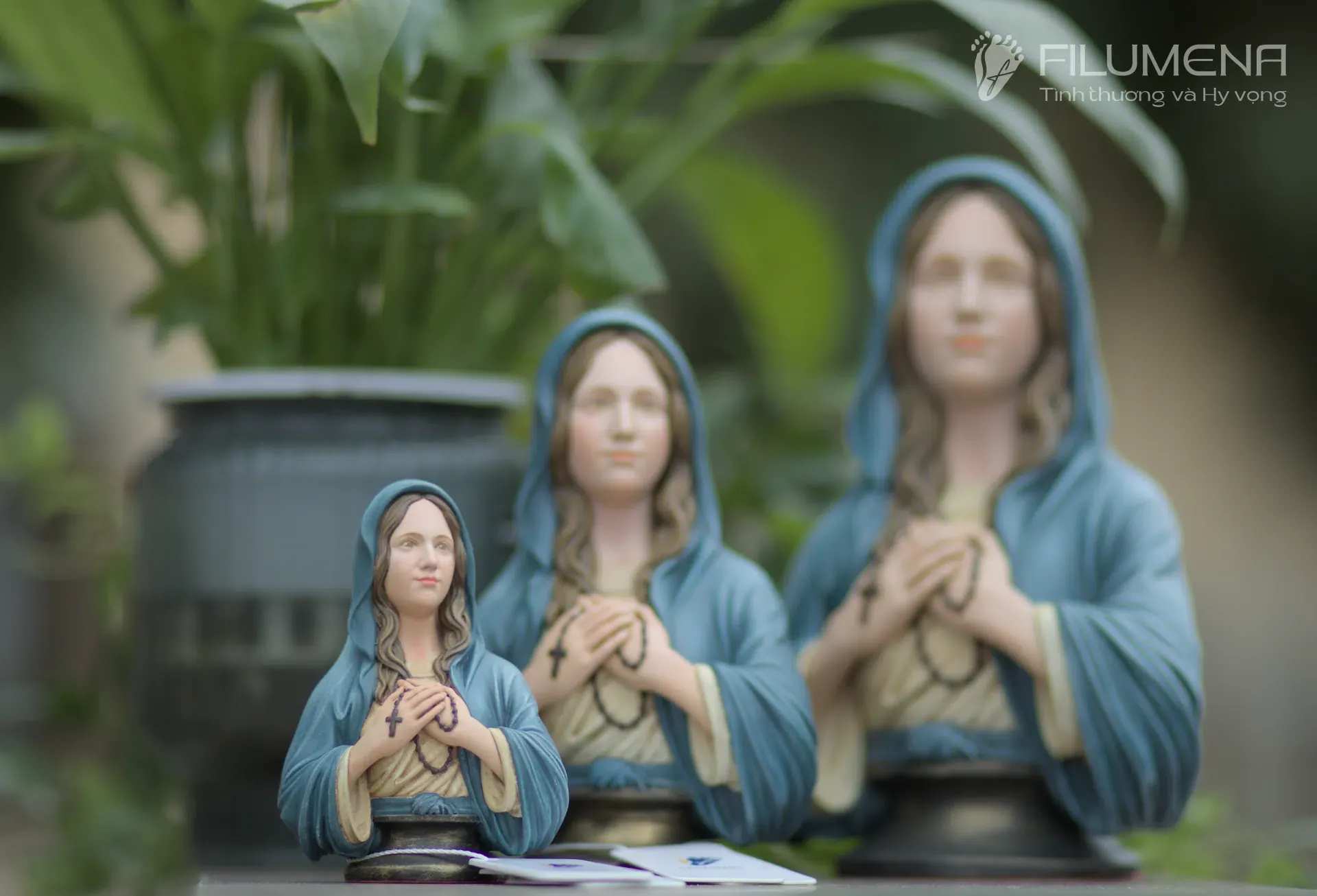
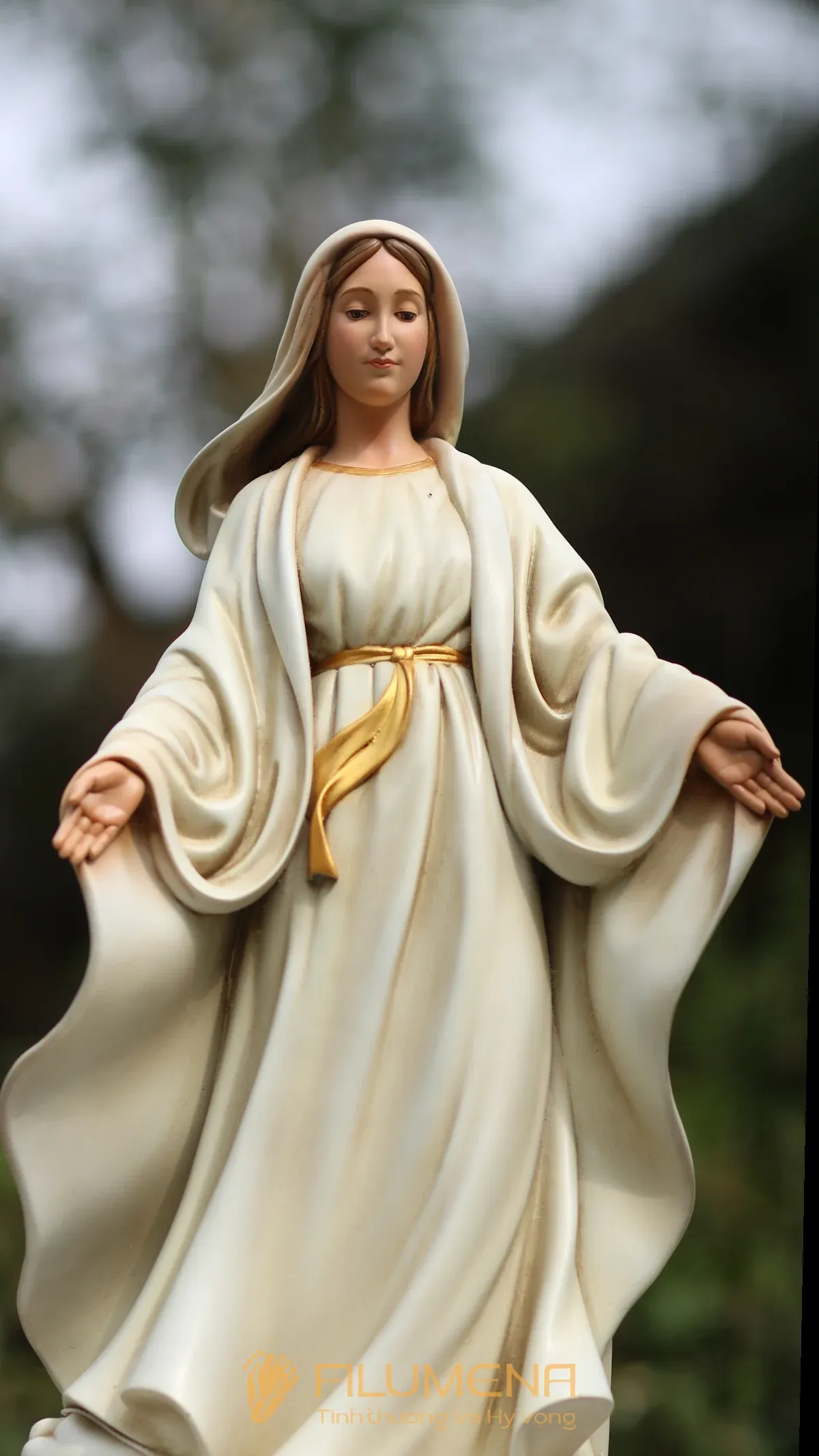
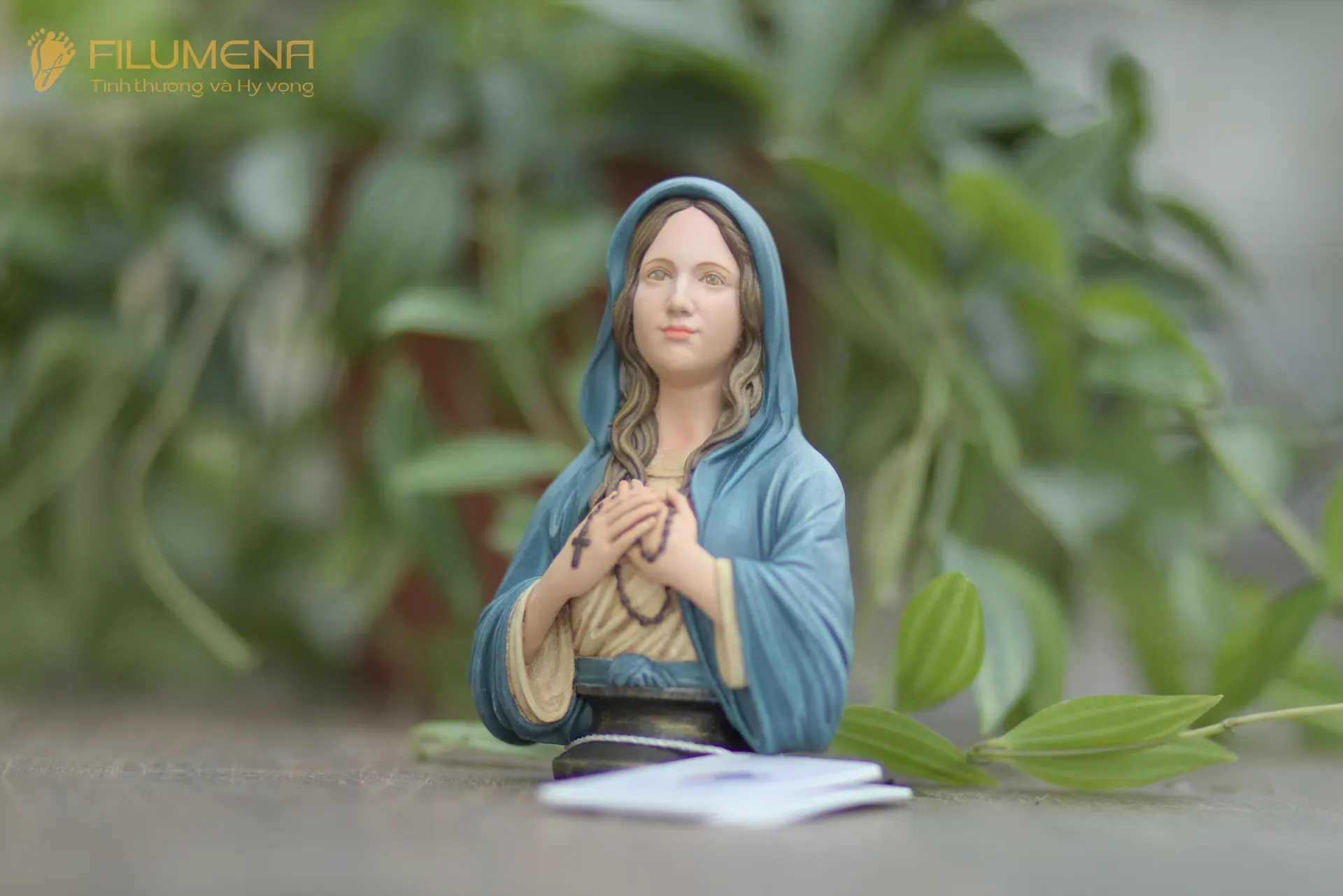
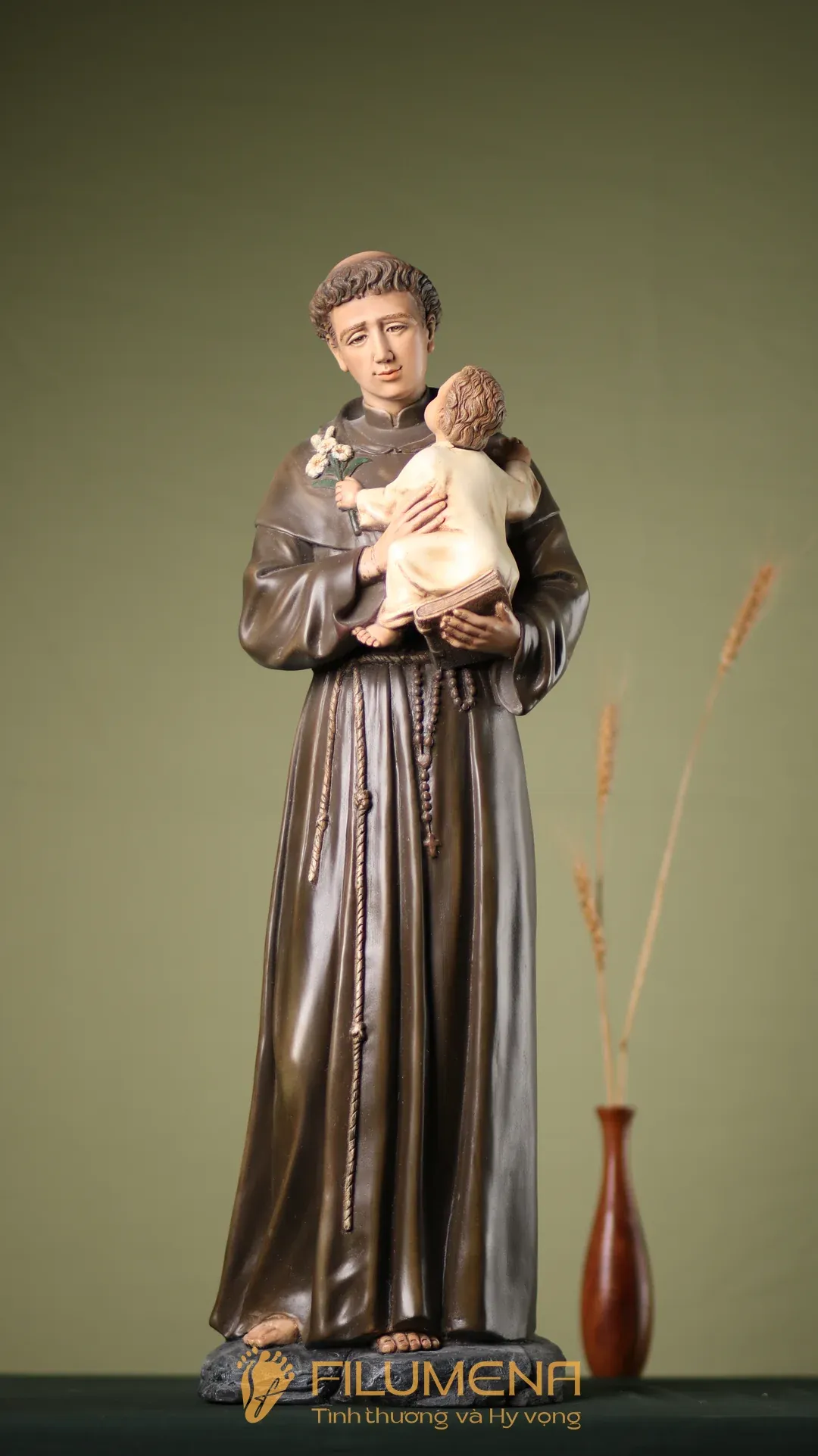
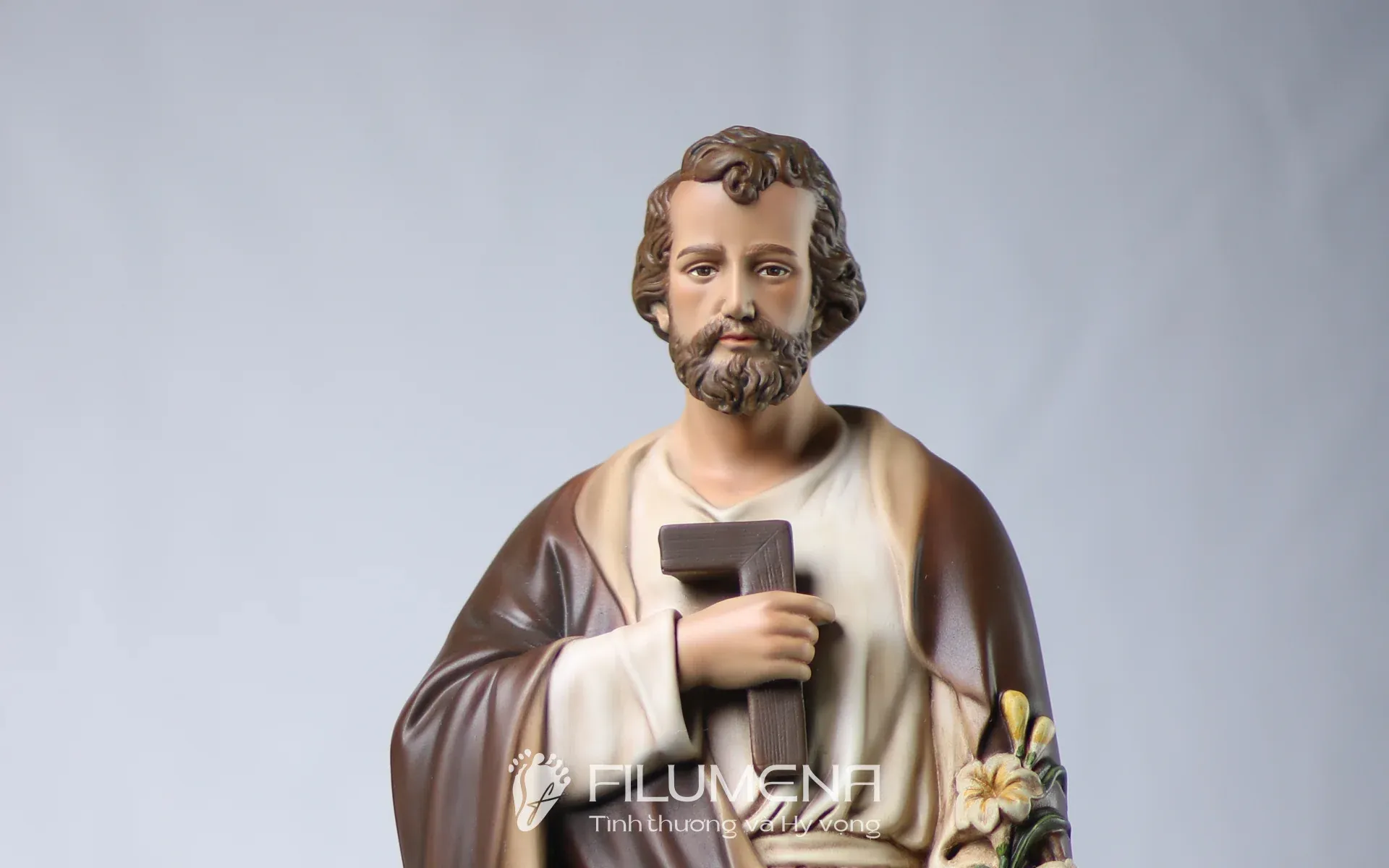
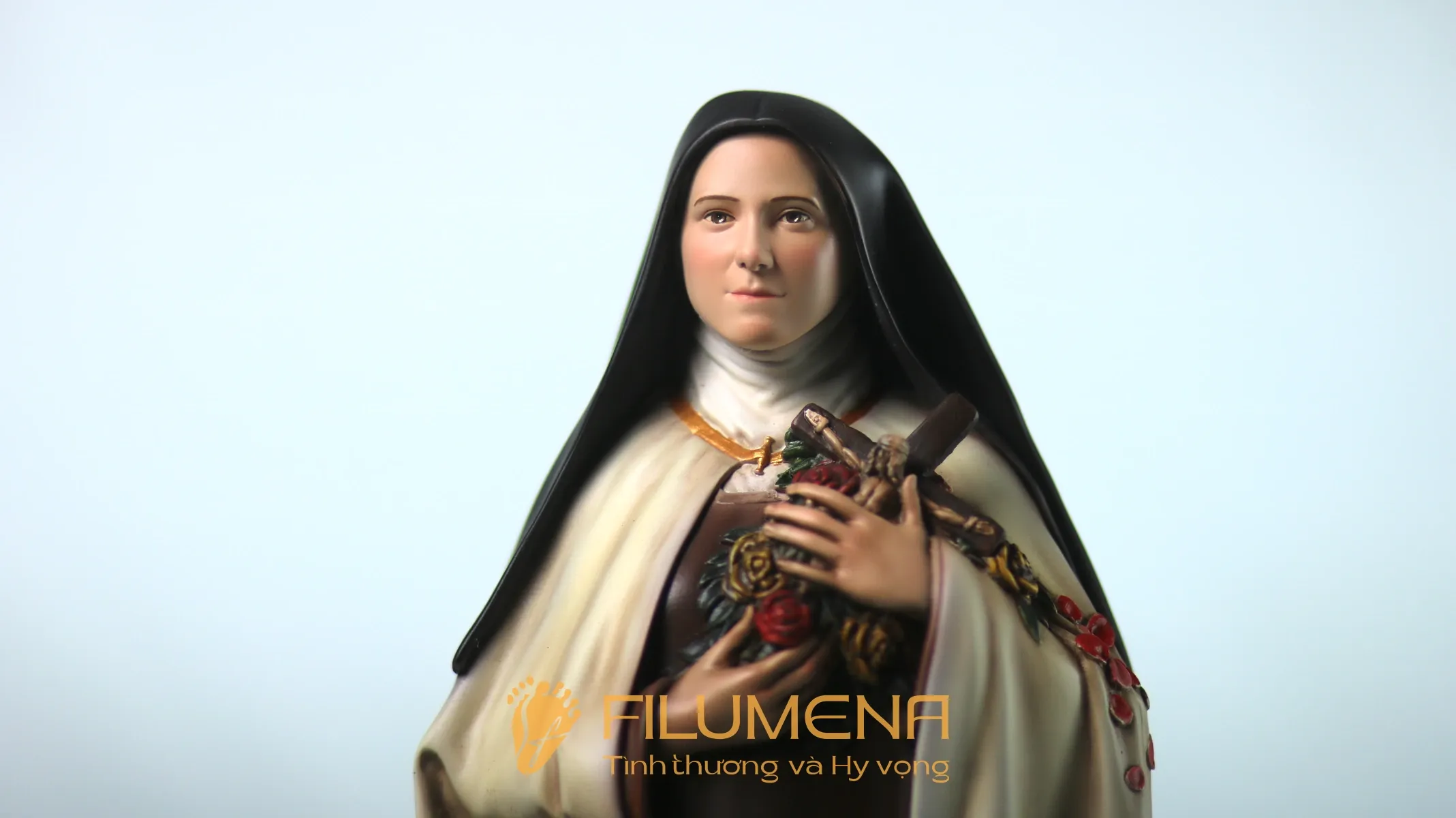
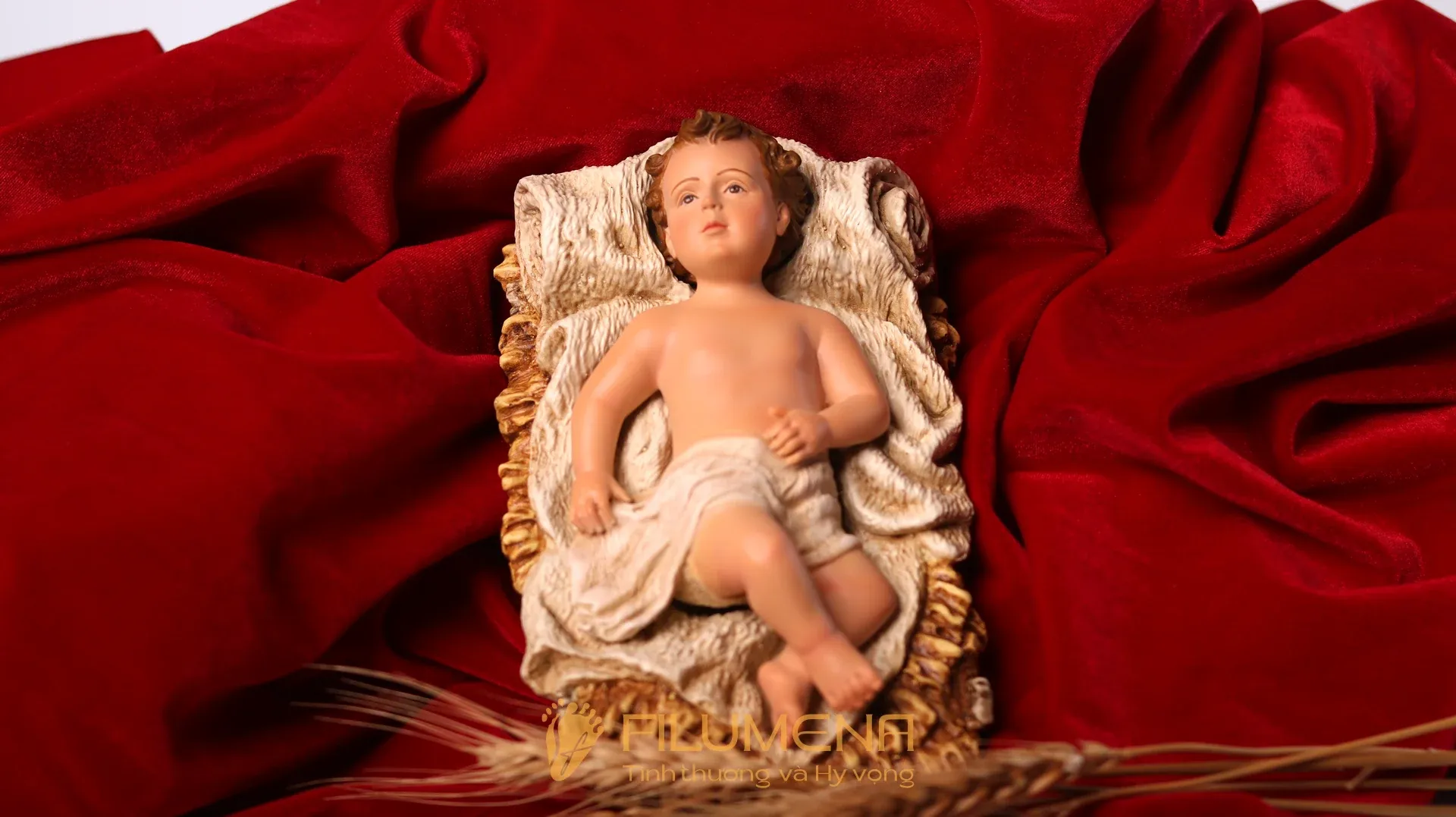
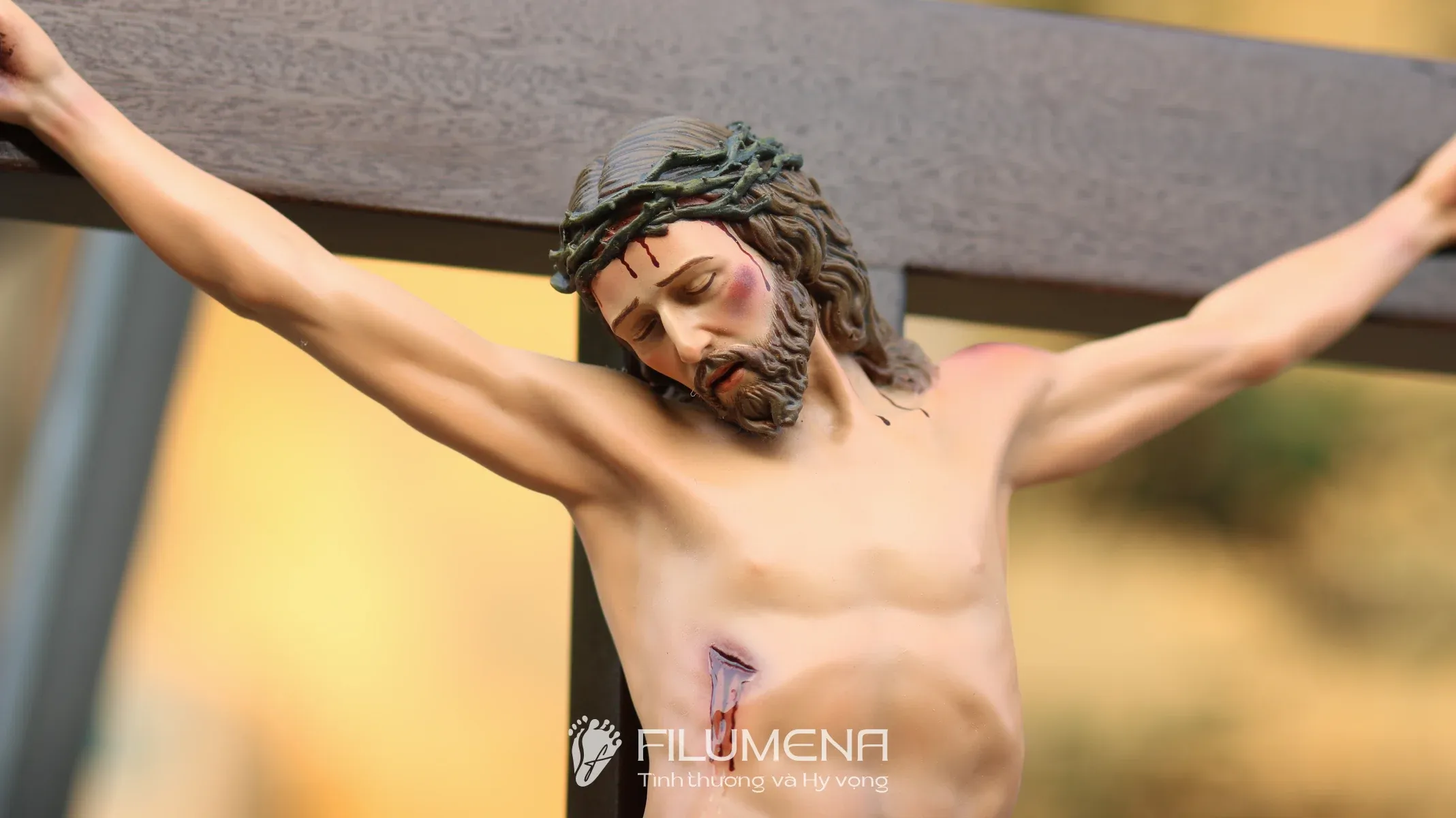
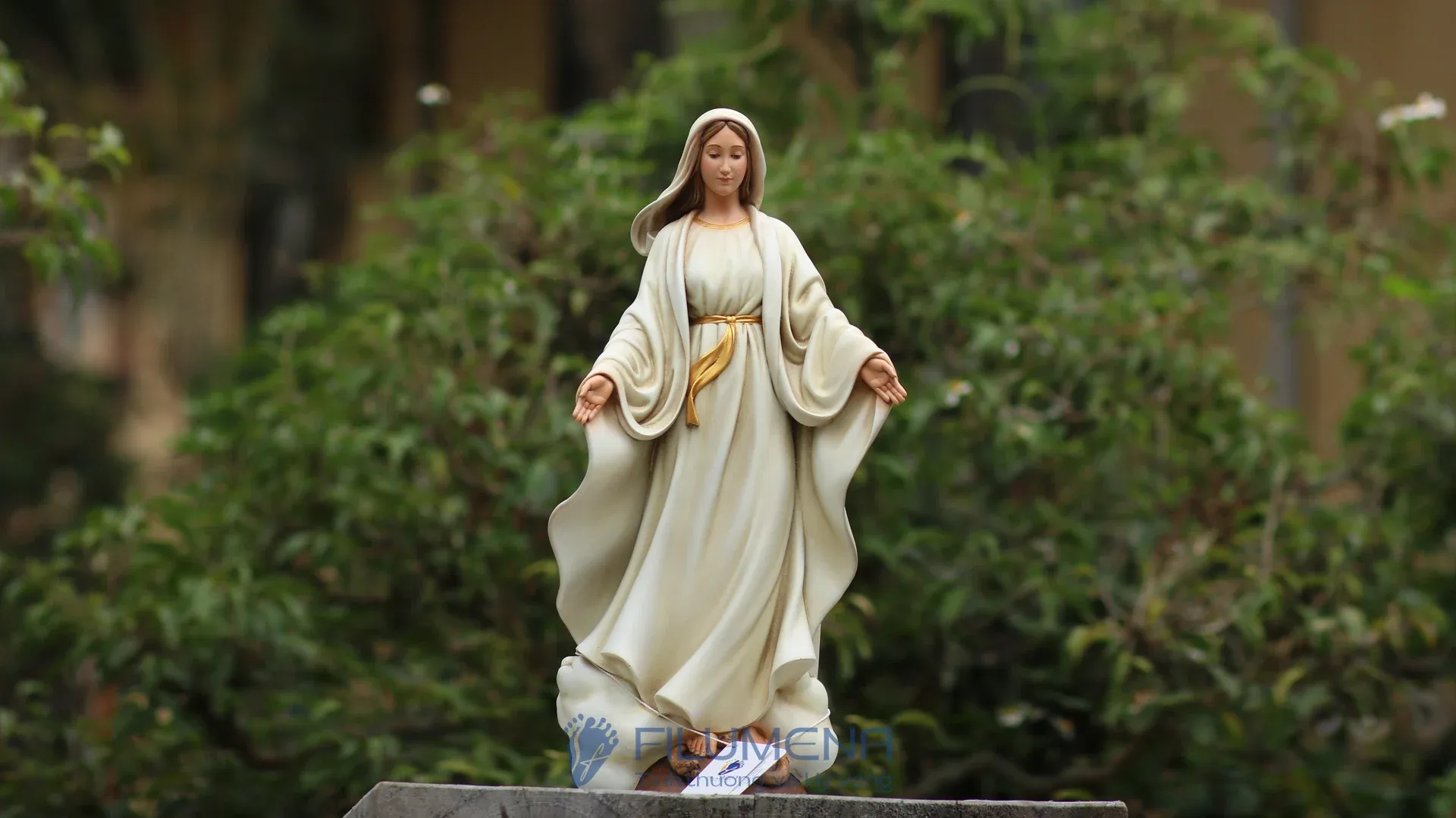
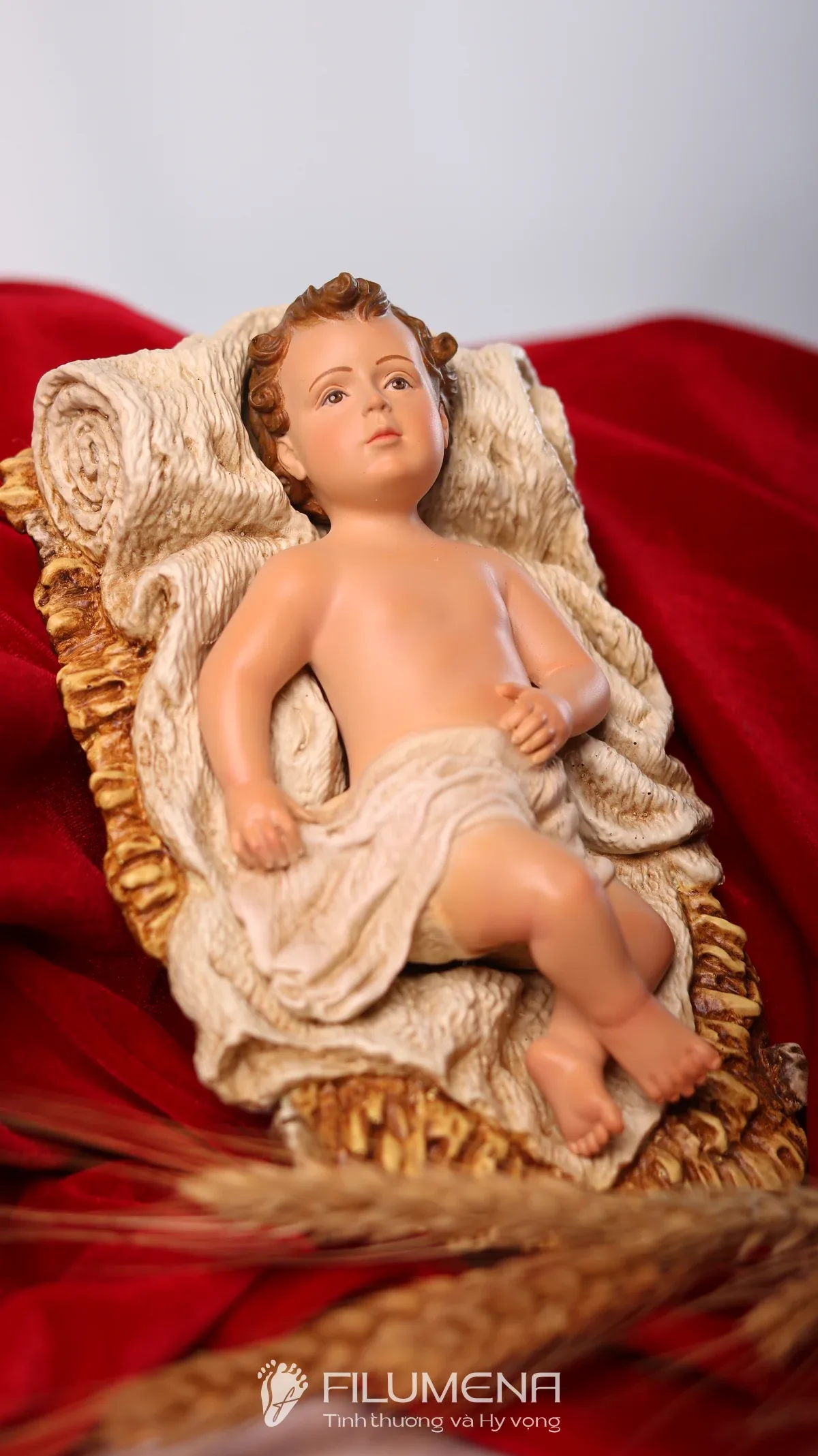
Premium religious statues designed and manufactured in Vietnam by Filumena for wholesale and export
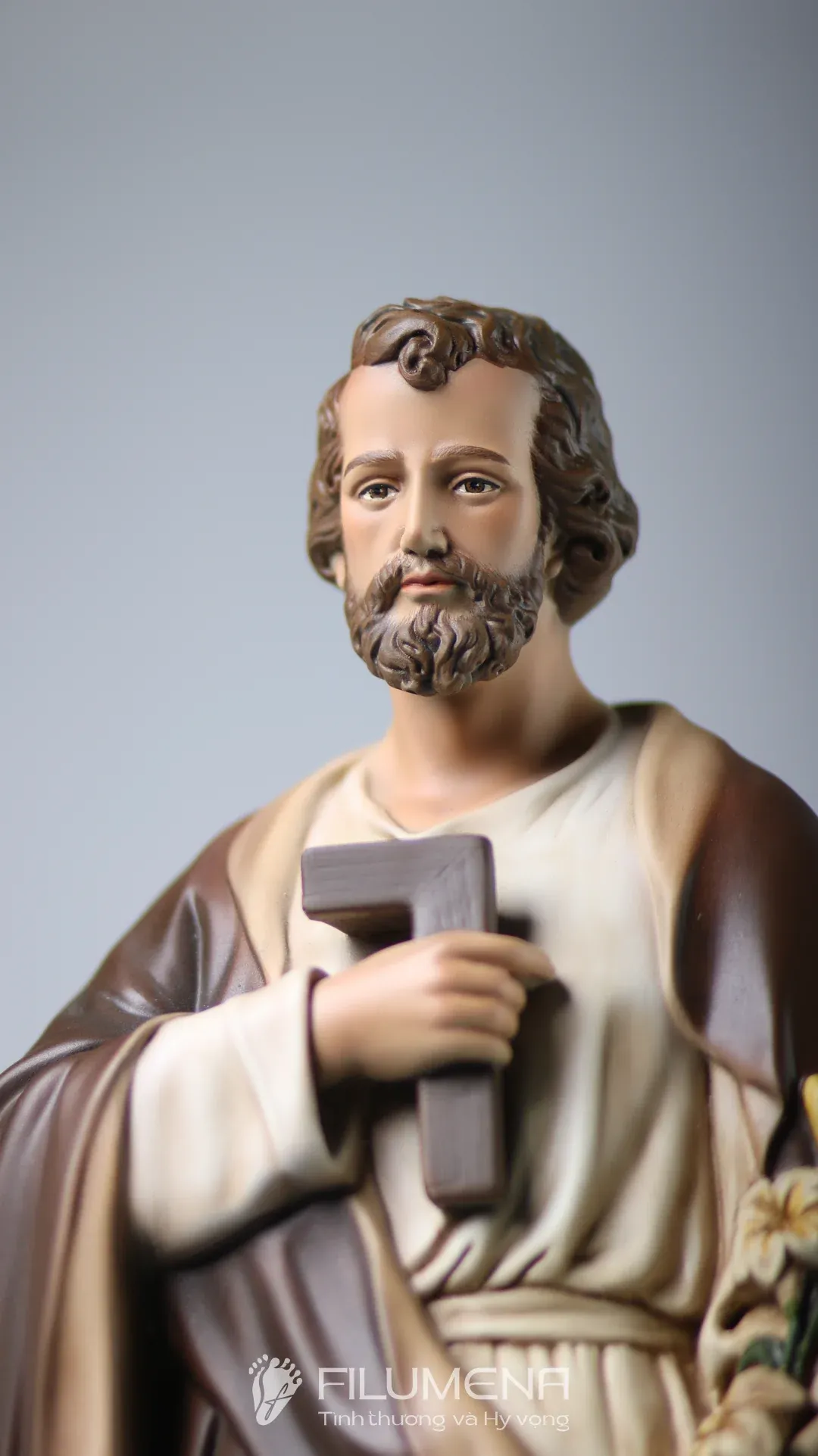
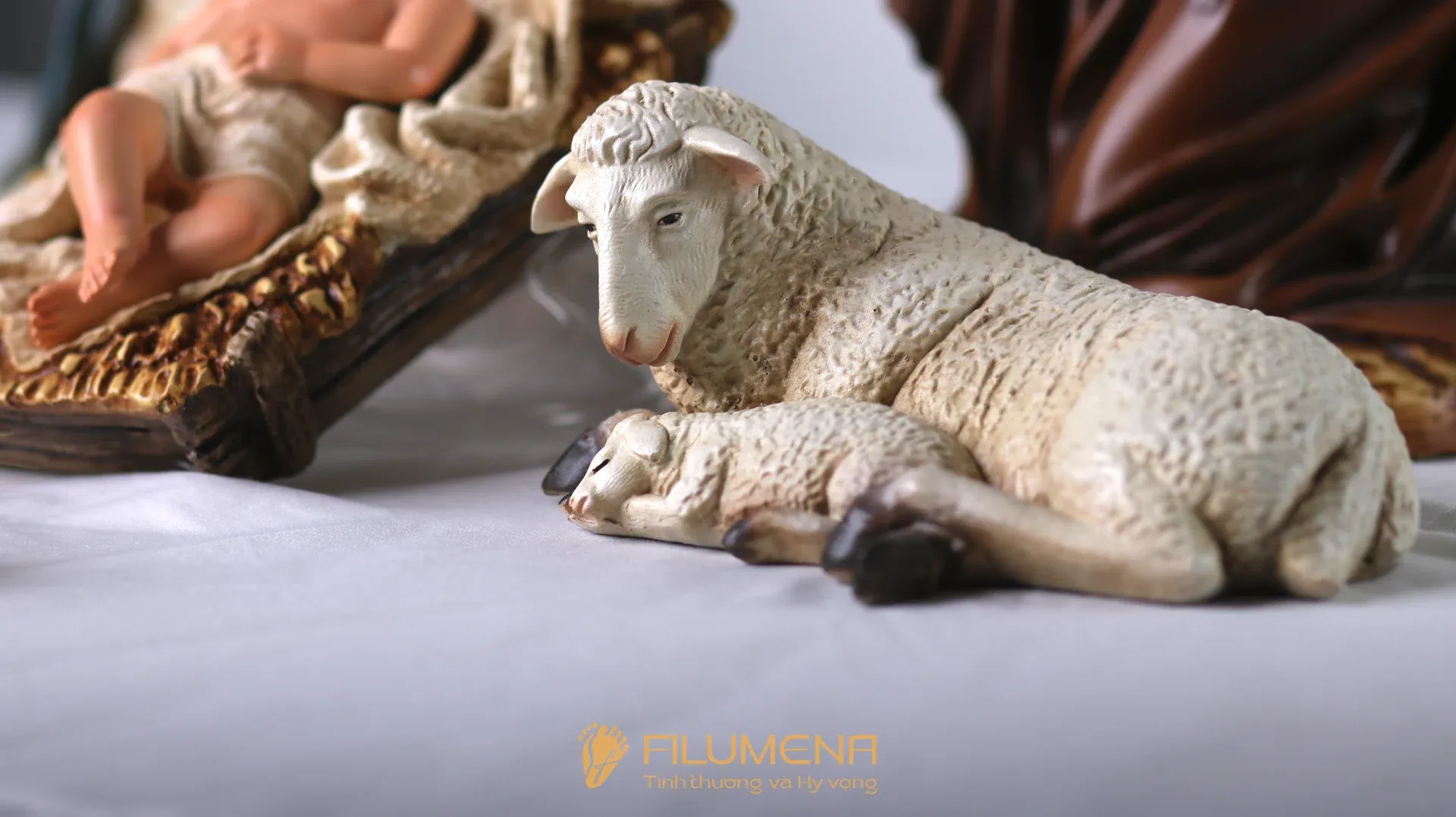
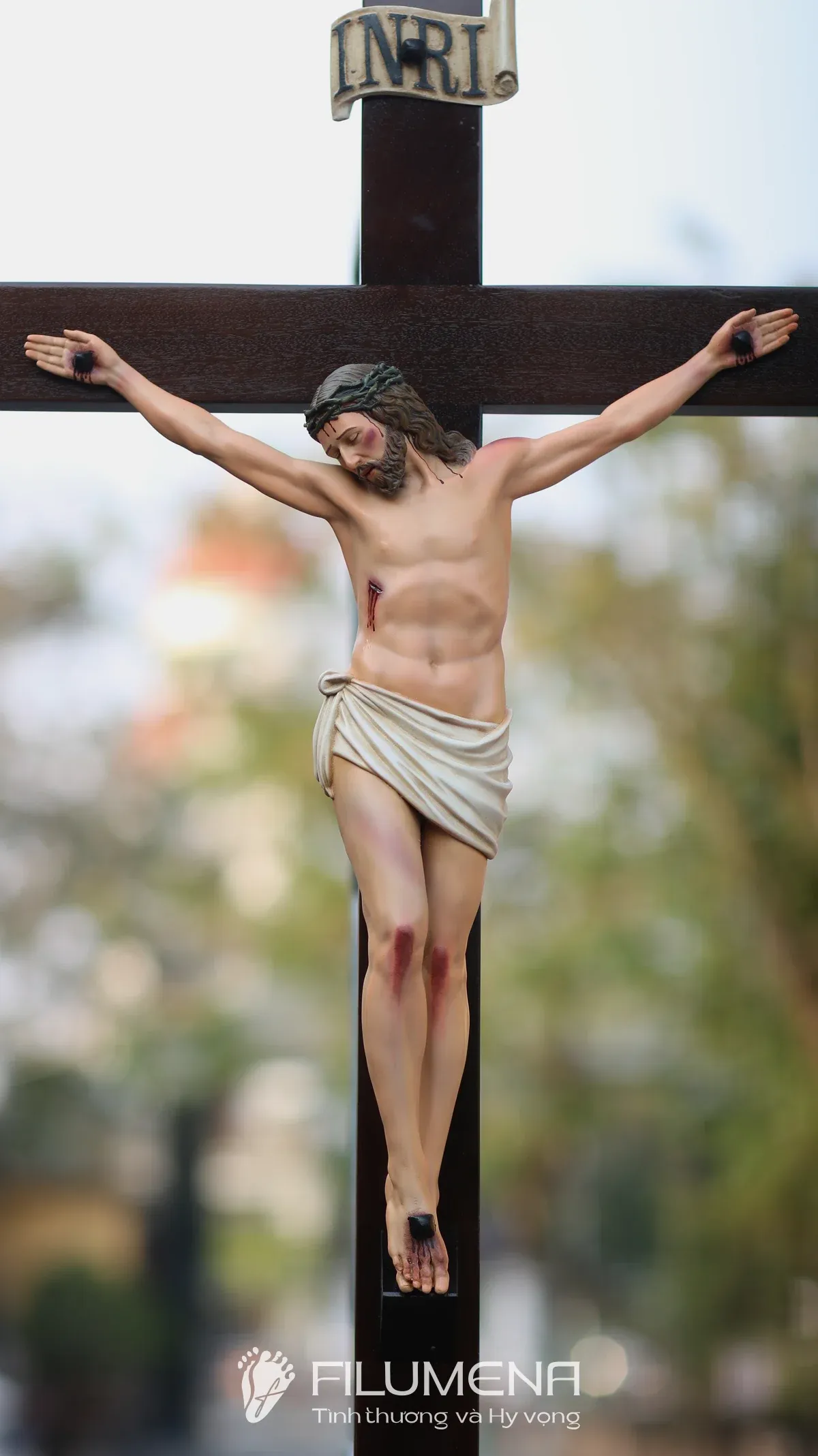
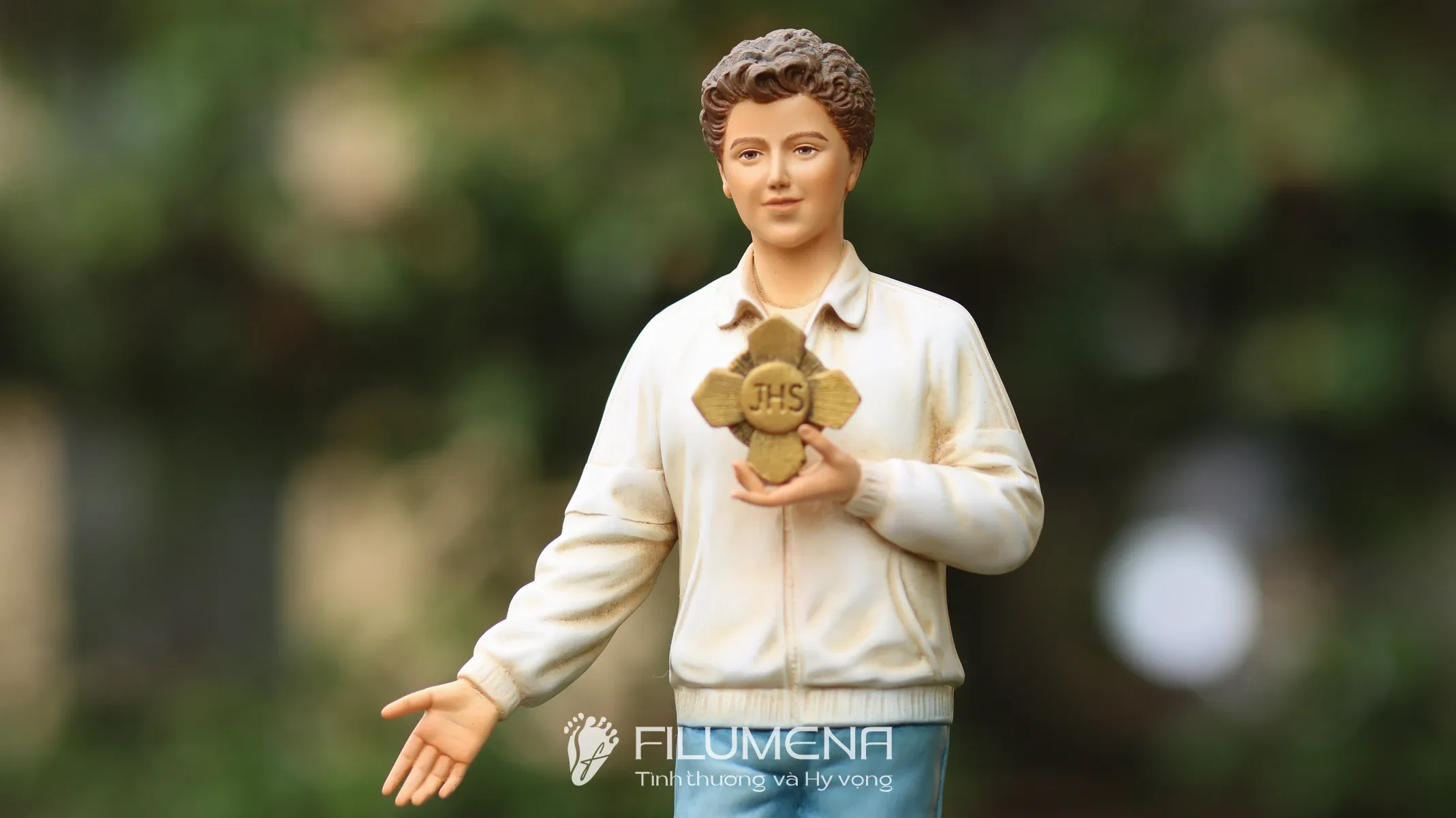
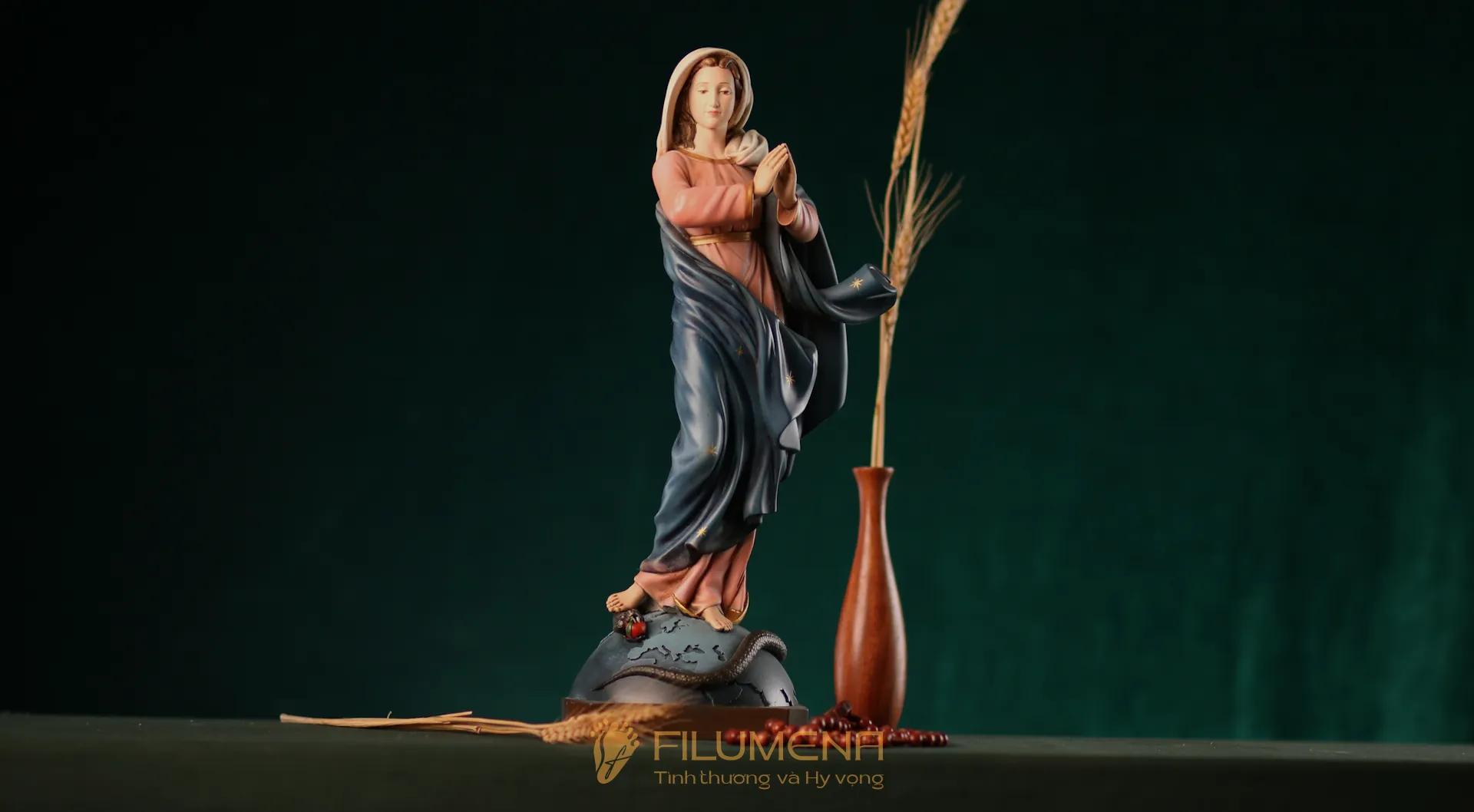
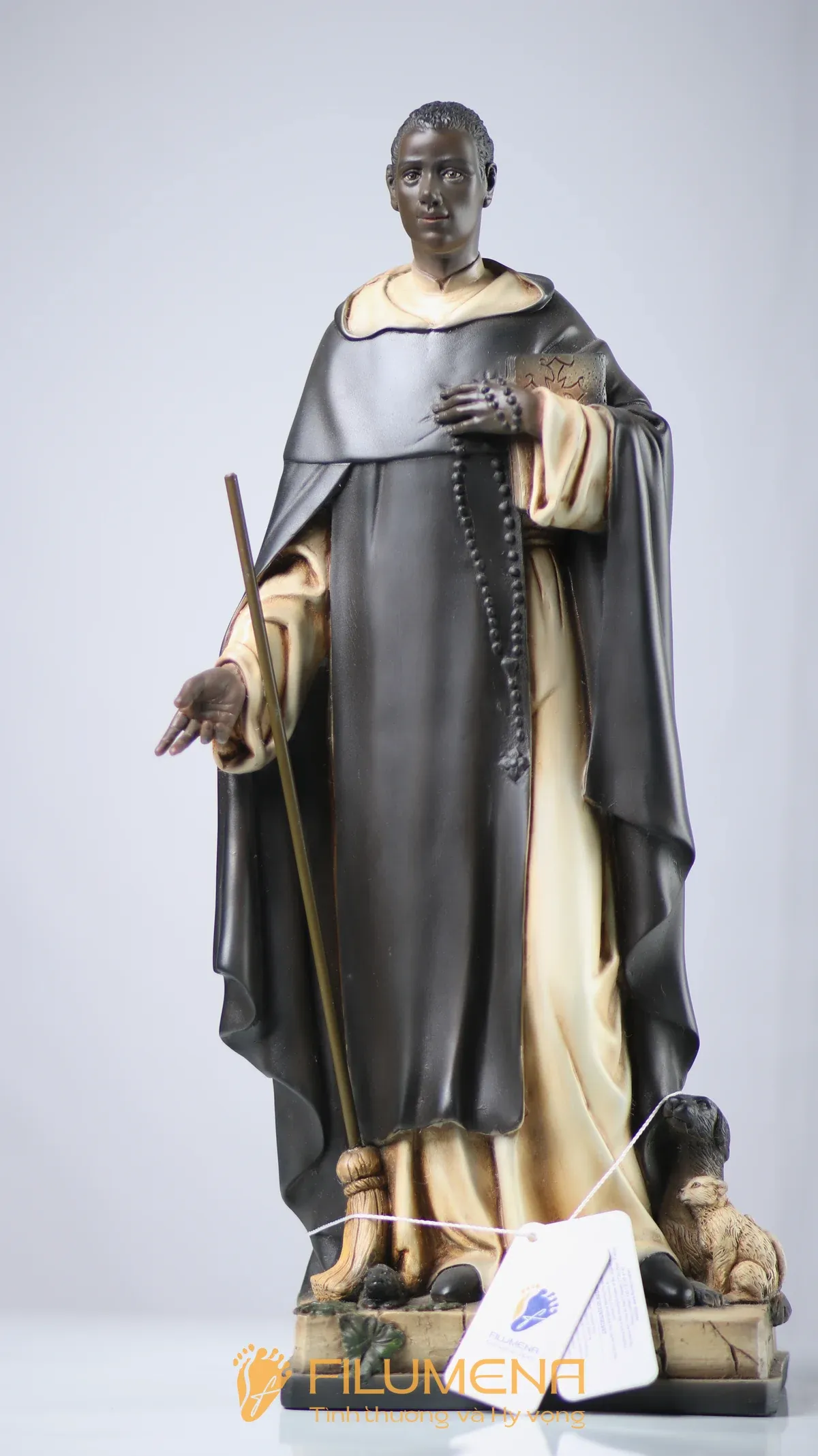
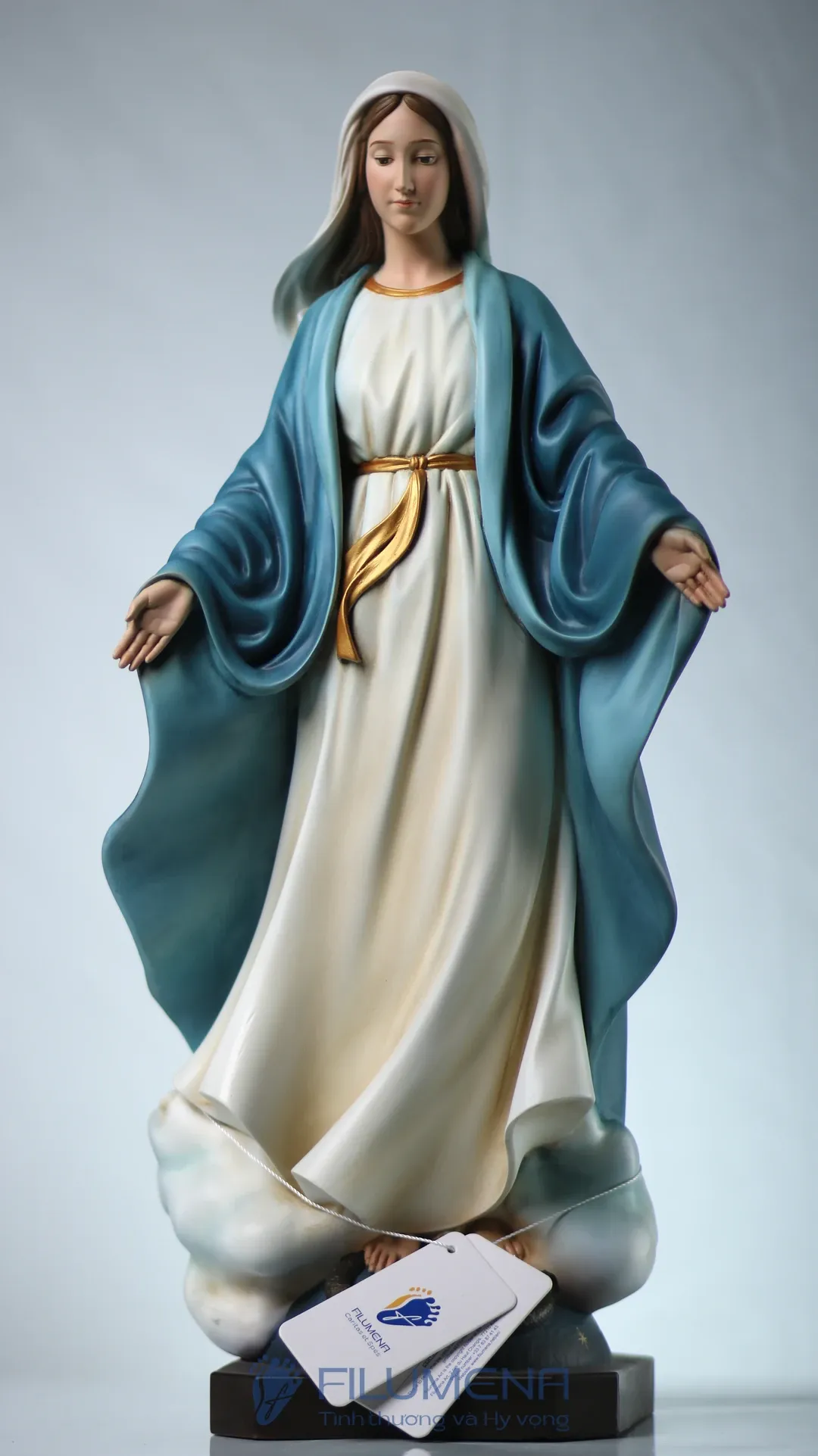
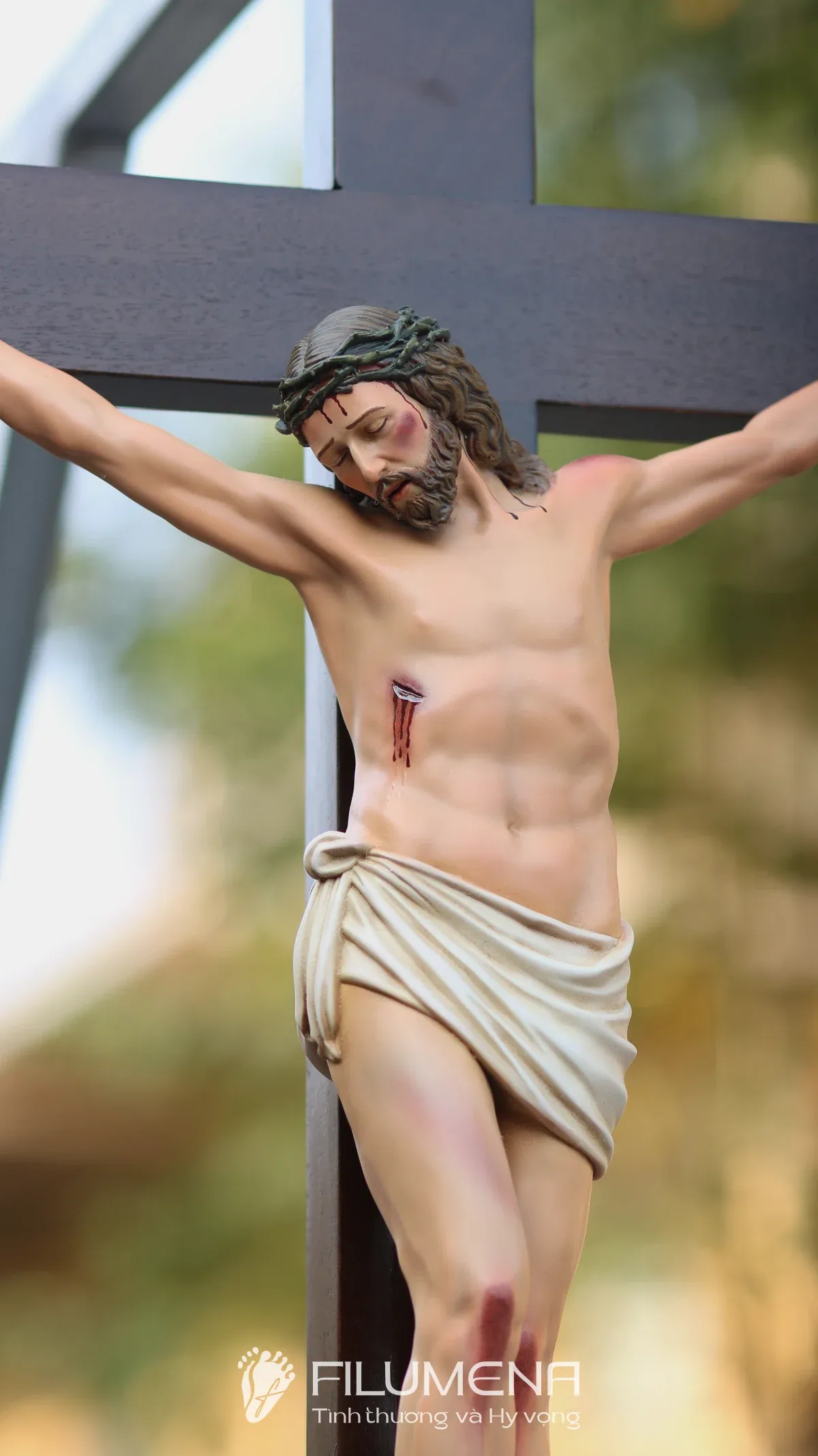
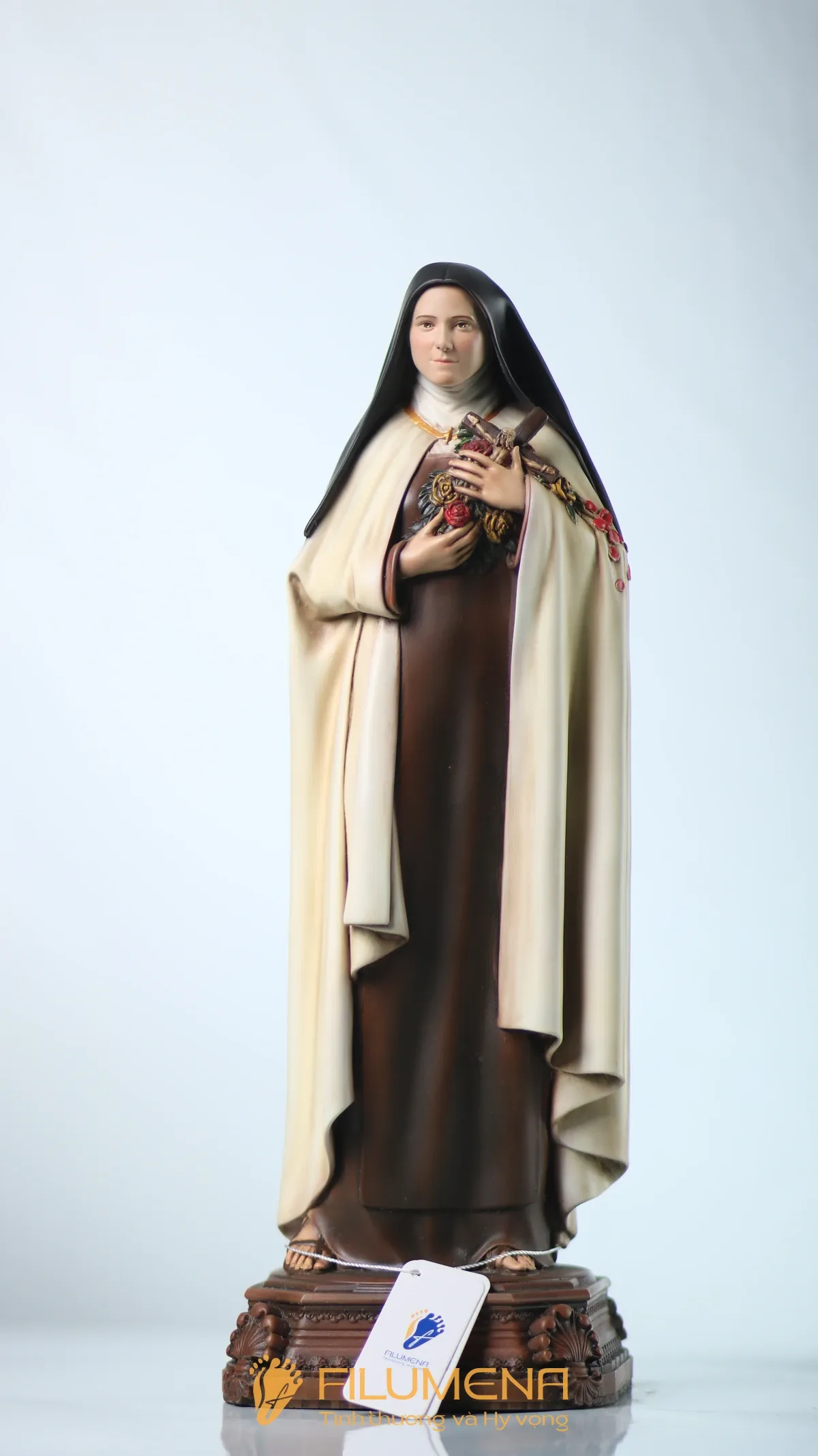
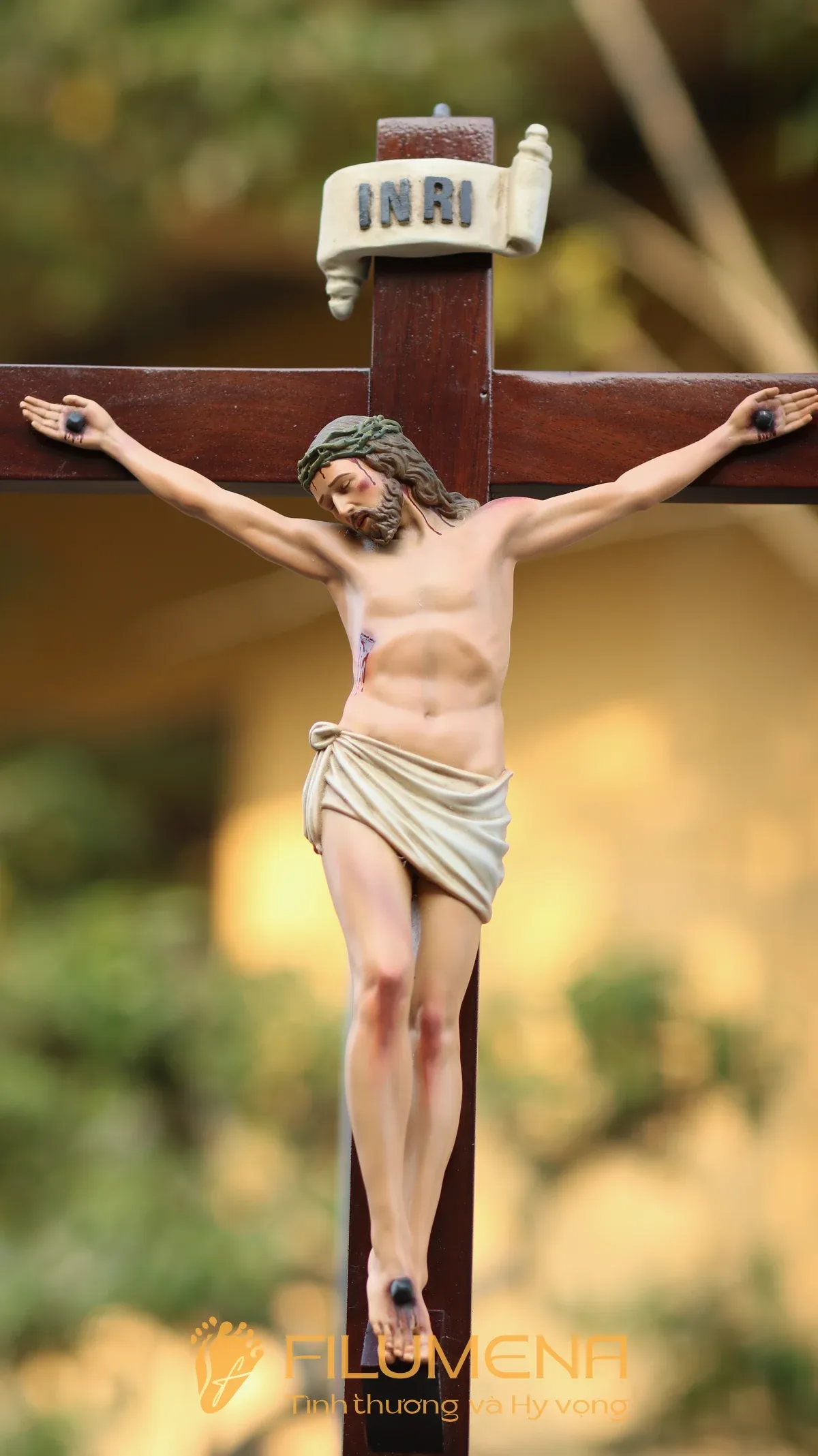
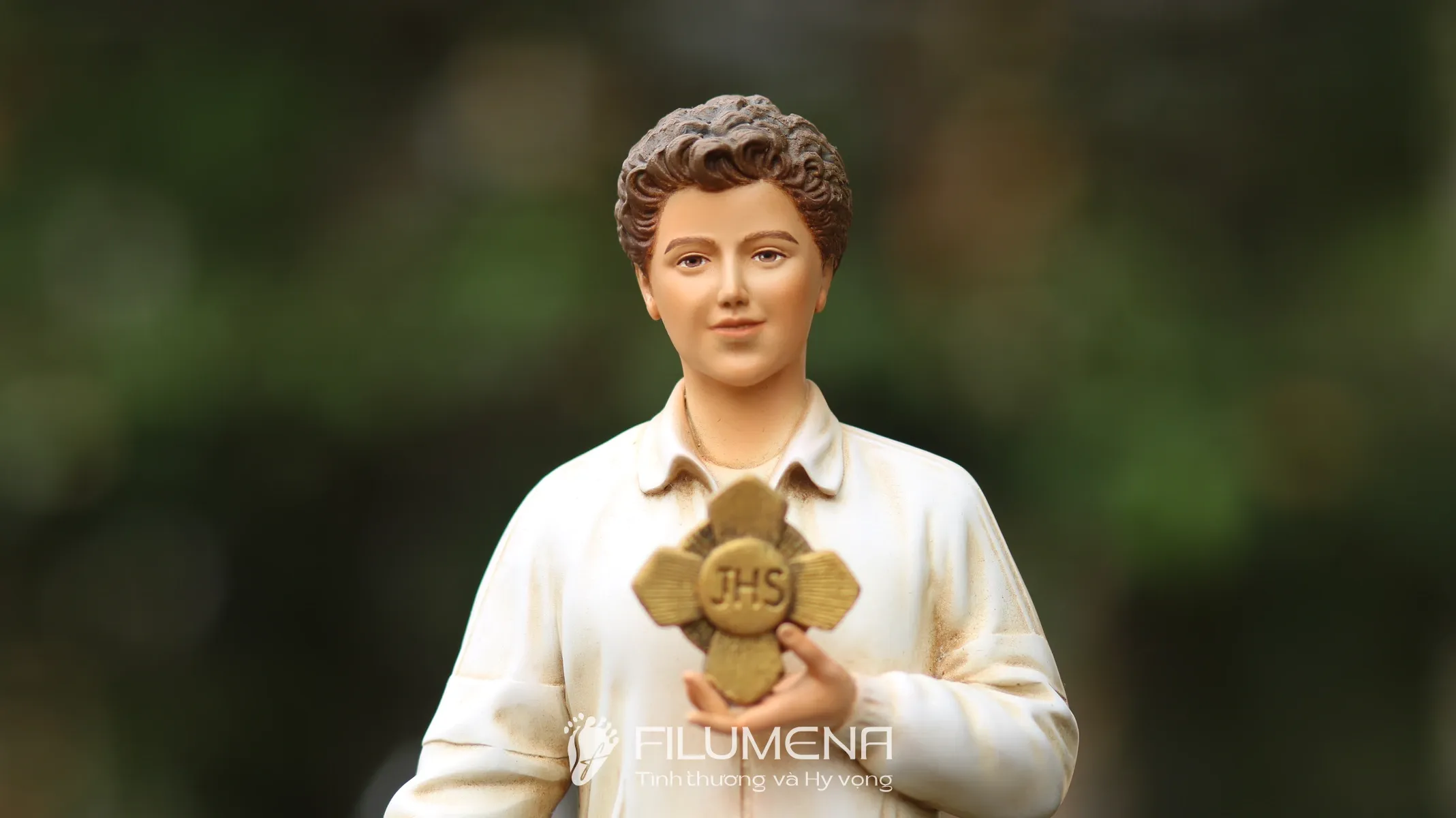
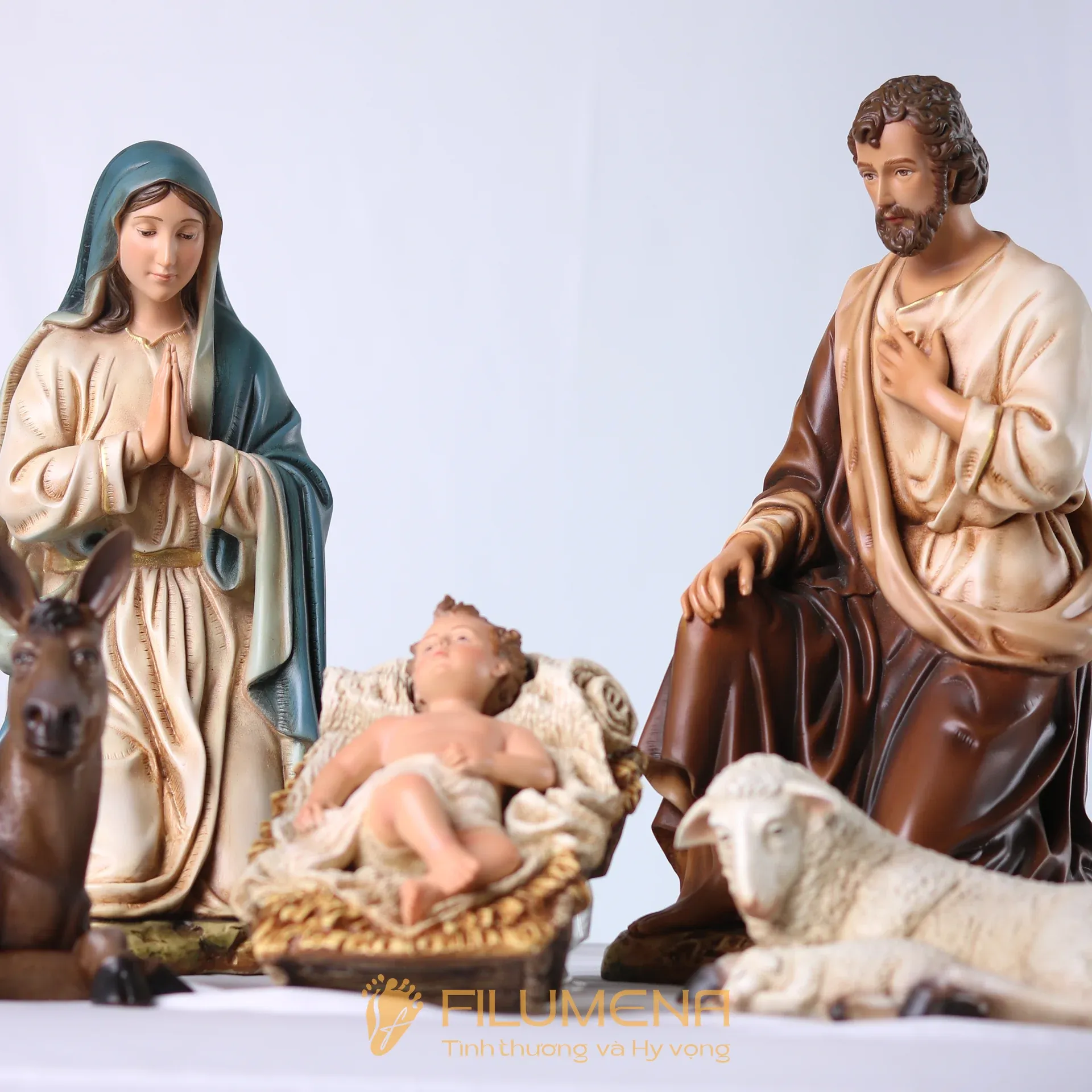
Compare sourcing options
Use this page for OEM/ODM vocabulary and risk checks, then compare licensed production workflow and custom statue development in Vietnam if your program needs controlled references or original development. For the broader country guide, return to China manufacturer checklist.
2) The 7 questions that prevent OEM/ODM problems
Before you pay for a sample or tooling, ask the factory to confirm these in writing:
- Design ownership: who owns the sculpture design after development and payment.
- Exclusivity scope: exclusive in which region, channel, or globally, and for how long.
- Tooling ownership and storage: who owns the mold/tooling, where it is stored, and what happens if you stop ordering.
- Approval checkpoints: how many revisions are included and what counts as “approved” (photos, video, sample sign-off).
- Material and finish standard: resin/polyresin vs stone powder composites vs fiberglass, and the exact finish level you expect.
- QC acceptance standard: defect tolerance and what remedy exists if the batch misses the standard.
- Reorder consistency: how the factory locks the standard so repeat orders match the approved sample.
These questions are not “extra.” They are how professional buyers protect margin and brand trust.
3) OEM workflow: from brief to production (what to request)
For OEM, you usually provide direction. A practical workflow looks like this:
First, send a brief that includes the subject, iconographic requirements, target size range, intended retail price tier, and finish expectation. Then request a clear prototype direction and a physical sample that matches the final finishing level. After sample approval, insist on a locked spec: photos, dimensions, material description, and finishing notes that the factory must follow for every batch.
If the factory cannot document the spec and approvals clearly, it is a warning sign that mass production may drift from the sample.
4) ODM workflow: how to avoid “generic catalog” outcomes
ODM can be fast, but it can also produce results that feel common. To keep ODM valuable:
Ask the factory what parts of the model can be changed without redesigning everything—base, gestures, facial expression, attributes, and scale options. Confirm that your version will not be sold to direct competitors in your territory (if exclusivity matters). Also verify that the chosen model can be produced consistently at your required finish level, not only as a single “show sample.”
ODM works best when you treat it as “factory proposes + buyer standardizes,” not as “pick any photo and hope it matches.”
5) Tooling and sampling: where buyers lose the most money
Tooling costs are often where OEM/ODM becomes expensive. To reduce risk:
Choose 2–3 models that represent your hardest standards (faces/hands, drapery, fine details). Request the sample using the exact finish level you plan to sell. Ask for packaging photos and packing spec so you can evaluate export-readiness early.
If you can only afford one sample, pick the model with the most visible face and hands—those areas reveal real capability.
6) QC and export: make sure your “custom” is actually scalable
Custom projects fail when QC and packing are treated as an afterthought. Before mass production, confirm:
- What is considered acceptable on seam lines and surface flaws.
- How color matching is controlled if painted.
- How fragile areas are protected in packaging.
- How mixed models are packed for your warehouse handling.
A custom statue that cannot be shipped safely and repeated consistently is not a successful OEM/ODM project.
7) When buyers consider a Vietnam option after OEM/ODM in China
Many buyers begin OEM/ODM searches in China, then add a Vietnam producer when they want tighter premium finishing, more original design focus, or long-term catalog stability. If you are comparing options, Filumena is a Vietnam-based producer focused on premium Catholic religious statues in a durable marble powder and resin composite, refined by artisans for a clean, high-end devotional look.
You can compare Filumena here:
8) What to send to get accurate OEM/ODM quotes
To receive comparable offers from China factories, send:
- Subject list and target sizes
- Reference photos and must-keep iconographic details
- Expected order volume and MOQ per model
- Material preference and finish level requirement
- Packaging requirement for export
- Delivery term preference (port/airport + destination)
With clear inputs, you can compare factories on real capability, not only on unit price.